
Falls remain one of the most significant health risks for adults over the age of 65, contributing to fractures, disability, and decreased independence. As the U.S. population continues to age, healthcare providers are seeking evidence based and accessible interventions that improve balance, neuromuscular control, and overall functional stability. Low energy vibration therapy has emerged as a promising modality that safely delivers mechanical signals to support balance training and postural control in older adults. This blog post reviews how low energy vibration works, the research supporting its use, and how health care providers can incorporate it into clinical practice.
Why Fall Prevention Requires Neuromuscular Stimulation
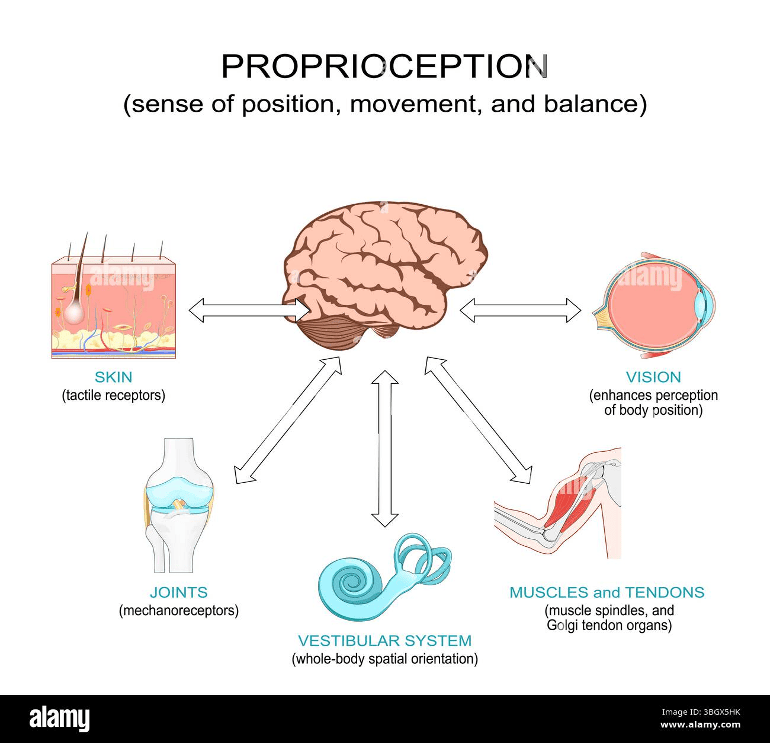
Falls often occur not because of muscle weakness alone, but due to impaired proprioception, slowed neuromuscular response times, and reduced postural stability. Whole Body Vibration is known to stimulate muscle spindles and mechanoreceptors, helping enhance sensory feedback and neuromuscular activation. Research has shown that targeted mechanical signals delivered through vibration platforms can improve balance and functional performance in older adults by influencing proprioceptive pathways and muscular coordination [1]. Low energy vibration has a direct effect in age declining muscle (sarcopenia) by slowing mitochondrial deterioration [2], preventing neuromuscular junction degeneration by increasing Dok7 and suppressing ERK1/2 phosphorylation [3] and protecting fast firing muscle fibers [4].
You can edit text on your website by double clicking on a text box on your website. Alternatively, when you select a text box a settings menu will appear. your website by double clicking on a text box on your website. Alternatively, when you select a text box
Evidence Supporting Low Energy Vibration for Balance and Stability
Clinical studies have demonstrated encouraging improvements in balance metrics, gait parameters, and functional mobility when low energy vibration is used consistently.
One of the earliest studies examining vibration and balance found that whole body vibration improved neuromuscular performance and balance control in older adults when compared to standard balance training programs [5]. Additional research has confirmed these findings, showing improvements in postural sway, gait speed, and lower-extremity function following low intensity vibration interventions [6].
In an eight week trial, older adults receiving low level vibration demonstrated significant gains in functional performance tests such as the Timed Up and Go (TUG) and chair stand assessments [7]. These findings indicate that low intensity vibration may help compensate for age related declines in neuromuscular responsiveness.
Studies evaluating fall risk have shown that mechanical vibration can improve proprioceptive processing and increase lower limb muscle activation, both of which are essential for preventing loss of balance during daily activities [8].
An important large study in 710 women over 60 years old using low energy vibration 100 minutes per week for 18 months, showed reductions in falls and fractures in the group using the vibration compared to controls using normal exercise. The fall rate in the vibration group was 46% lower than controls. There were significant benefits in leg muscle strength and balance and in the high compliance vibration users 1.4 % hip and 1.12% spine bone density improvements. The study concluded that vibration is effective in reducing falls and associated injuries. This is an important outcome in managing risks associated with the decline in bone and muscle quality with age [9]. A follow up of a subgroup analysis of active and control subjects at 30 months showed the benefits of the vibration on balancing ability, muscle strength and risk of falling were retained after 12 months after cessation of the vibration [10]. The CDC 2022 compendium for effective fall interventions for seniors recommends low energy vibration as an single intervention to be used [11].
Safety Profile in Senior and Medically Fragile Populations
One of the advantages of low energy vibration therapy is its safety in populations that cannot tolerate high mechanical forces. Research has repeatedly shown that low magnitude vibration is well tolerated, with minimal adverse events when proper contraindication screening is followed [12].
Typical contraindications include active deep vein thrombosis, unstable fractures, implanted electronic medical devices, pregnancy, and acute inflammation. However, for older adults with osteopenia, frailty, orthopedic implants, or mobility limitations, low intensity vibration has been shown to be safe when administered under supervision [13].
Integrating Low Energy Vibration into Clinical Practice
Healthcare providers can integrate vibration therapy as an adjunct to traditional balance and mobility training. Sessions typically last ten minutes and can be performed before therapeutic exercise to improve neuromuscular readiness or after exercise to support coordination and sensory processing.
Useful clinical applications include:
• Balance retraining
• Gait initiation drills
• Postural stability exercises
• Fall prevention programs
• Early phase rehabilitation for deconditioned patients
Because low energy vibration platforms are simple to operate, they fit well in multidisciplinary environments including podiatry offices, chiropractic clinics, physical therapy practices, senior wellness centers, and integrative medicine facilities.
Summary
Low energy vibration therapy is supported by multiple peer reviewed studies showing improvement in postural control, gait performance, and neuromuscular activation resulting in fewer falls in older adults. Its safety profile and ease of integration make it an ideal modality for fall prevention and senior rehabilitation programs. As healthcare providers seek effective, low risk interventions for aging populations, low energy vibration therapy represents an evidence informed and clinically practical option.
References
1. Ritzmann R, Kramer A, Gruber M. Effects of whole-body vibration training on postural control in elderly individuals. J Biomech. 2010;43(10):2230–2235.
2. Long YF, Cui C, Wang Q, Xu Z, Chow SKH, Zhang N, Wong RMY, Chui ECS, Schoenmehl R, Brochhausen C, Rubin CT, Li G, Qin L, Yang AZ, Cheung WH, Low-Magnitude High-Frequency Vibration Attenuates Sarcopenia by Modulating Mitochondrial Quality Control via Inhibiting miR-378, Journal of Cachexia, Sarcopenia and Muscle, 2025; 16:e13740
3. Boa Z, Cui C, Liu C, Long YF, Wong RMY, Chai S, Qin L, Rubin CT, Yip BHK, Xu Z, Jiang Q, Chow SKH, Cheung WH, Prevention of age-related neuromuscular junction degeneration in sarcopenia by low-magnitude high-frequency vibration, Aging Cell.2024;00:e14156
4. Mettlach G, Polo-Parada L, Peca L, Rubin CT, Plattner F, Bibb JA, Enhancement of neuromuscular dynamics and strength behavior using extremely low magnitude mechanical signals in mice, Journal of Biomechanics (2013), http://dx.doi.org/10.1016/j.jbiomech.2013.09.024i
5. Rees SS, Murphy AJ, Watsford ML. Effects of whole-body vibration exercise on muscle strength and power in older adults. Age Ageing. 2007;36(3):285–289.
6. Lam FM, Liao LR, Kwok TC, Pang MY. The effect of whole-body vibration on balance, mobility and falls in older adults: a systematic review and meta-analysis. Maturitas. 2012;72(3):206–213.
7. Bogaerts AC, Verschueren SM, Delecluse C, Claessens AL, Boonen S. Effects of whole-body vibration training on postural control in older individuals: a randomized controlled trial. Arch Phys Med Rehabil. 2007;88(3):306–315.
8. Leung KS, Li CY, Tse YK, Choy TK, Leung PC, Hung VWY, Chan SY, Leung AHC, Cheung WH, Effects of 18-month low-magnitude high-frequency vibration on fall rate and fracture risks in 710 community elderly—a cluster-randomized controlled trial, Osteoporosis Int. 2014 Jun;25(6):1785-95.
9. Cheung WH, Li CY, Zhu TY, Leung KS, Improvement in muscle performance after one-year cessation of low-magnitude high-frequency vibration in community elderly. J Musculoskelet Neuronal Interact 2016; 16(1):4-11
10. Rogan S, Taeymans J, Radlinger L, et al. Effects of whole-body vibration on postural control in elderly: a systematic review and meta-analysis. Eur Rev Aging Phys Act. 2012;9(1):41–58.
11. Burns ER, Kakara R, Moreland B. A CDC Compendium of Effective Fall Interventions: What Works for Community-Dwelling Older Adults. 4th ed. Atlanta, GA: Centers for Disease Control and Prevention, National Center for Injury Prevention and Control, 2022
12. Mikhael M, Orr R, Amsen F, Greene D, Singh MA. Safety and efficacy of whole-body vibration training in older adults: a systematic review. Aging Clin Exp Res. 2010;22(4):417–431.
13. Marin PJ, Rhea MR. Effects of vibration training on neuromuscular and cardiovascular responses in older adults. Age Ageing. 2010;39(6):647–654.