Whole Body Vibration Platforms (WBV)
Two Types of Whole Body Vibration (WBV)
High-Intensity Vibration
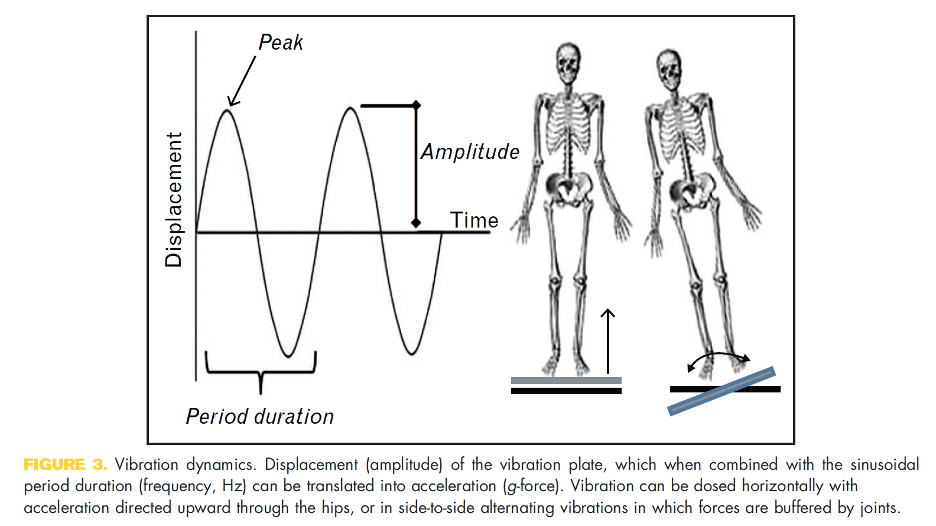
High-Intensity vibration platforms typically operate at higher amplitudes and produce greater acceleration forces from 1.0g to 15.0g. The standing surface of the platforms move in various planes including; vertical, side-alternating or triplanar motion, and displacement is measured in millimeters. They are often marketed for athleticism, physical conditioning, and performance enhancement. These devices strongly stimulate muscle spindles and motor neurons, producing visible contractions and reflex muscle activation. This creates loading patterns closer to resistance-based exercise than to purely therapeutic stimulation.
In practice, high-intensity platforms place higher mechanical load on joints and soft tissues.
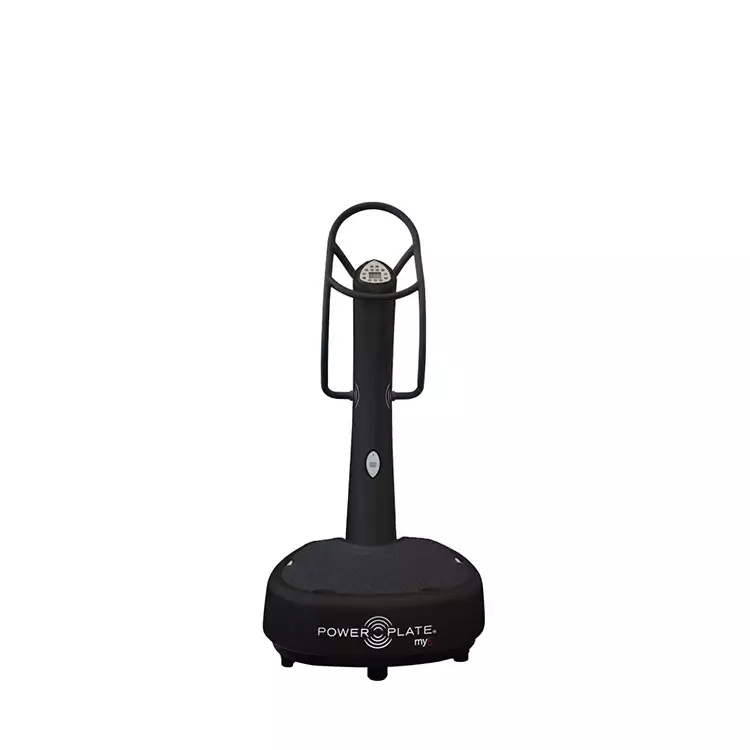
PowerPlate
Low-Intensity Vibration
Low-Intensity vibration platforms deliver much smaller mechanical forces and operate at lower acceleration outputs in the range 0.2g to 0.4g. The surface platforms only displace vertically and are measured in microns with frequencies between 30 and 40 cycles per second (Hz). These systems aim to stimulate cellular signaling pathways and neuromuscular communication rather than generate force production. Research has shown that low-intensity vibration can influence bone and muscle physiology even at very low signal intensity levels.
In practice, low-intensity platforms are designed to deliver subtle but biologically meaningful signals while maintaining a higher margin of safety for fragile or post-operative populations.
Marodyne LIV
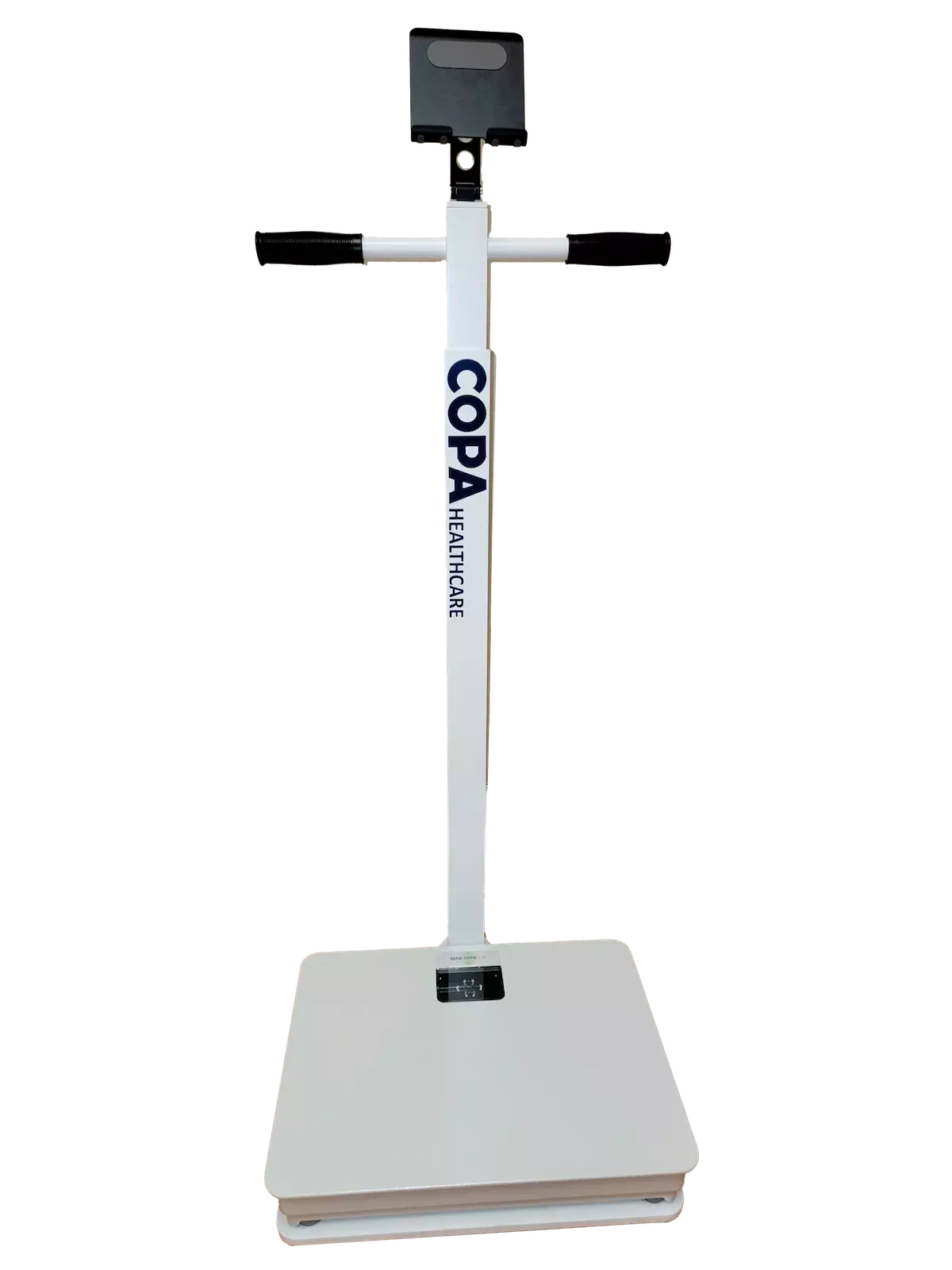
Marodyne LIV vs PowerPlate: Which WBV Category Fits Your Patients?
Marodyne LIV and PowerPlate are both vibration technologies, but they are not interchangeable.
Marodyne LIV is a low-intensity vibration option that may be better suited for older adults, lower-tolerance users, bone and muscle wellness conversations, balance-oriented programs, and home-use wellness routines.
PowerPlate is a higher-intensity whole body vibration platform often used for neuromuscular activation, movement preparation, balance challenge, athletic warm-up, active rehab, and recovery programs.
The right choice depends on the patient population, clinical goal, support needs, room setup, and whether the clinic wants a low-intensity wellness option or a higher-intensity active-care platform.
Compare Marodyne LIV and PowerPlate before you buy.
Who Should Buy Each Type of Vibration Platform?
Choose high-intensity vibration when:
Your clinic wants a platform for neuromuscular activation, movement preparation, balance training, athletic conditioning, strength support, or active rehabilitation. This category is generally more appropriate for patients who can tolerate higher mechanical loading and participate in supported or active movement.
Choose low-intensity vibration when:
Your clinic serves older adults, lower-tolerance patients, active-aging clients, or patients who may need a gentler vibration category. Low-intensity vibration is a better fit when the goal is subtle mechanical stimulation rather than performance-oriented loading.
Choose targeted vibration when:
You need a local tool for soft tissue preparation, mobility work, recovery routines, or patient home-care resale. Targeted vibration does not replace whole body vibration, but it may be easier to add to small treatment rooms or manual therapy workflows.
Patients Can Use Vibration At Home
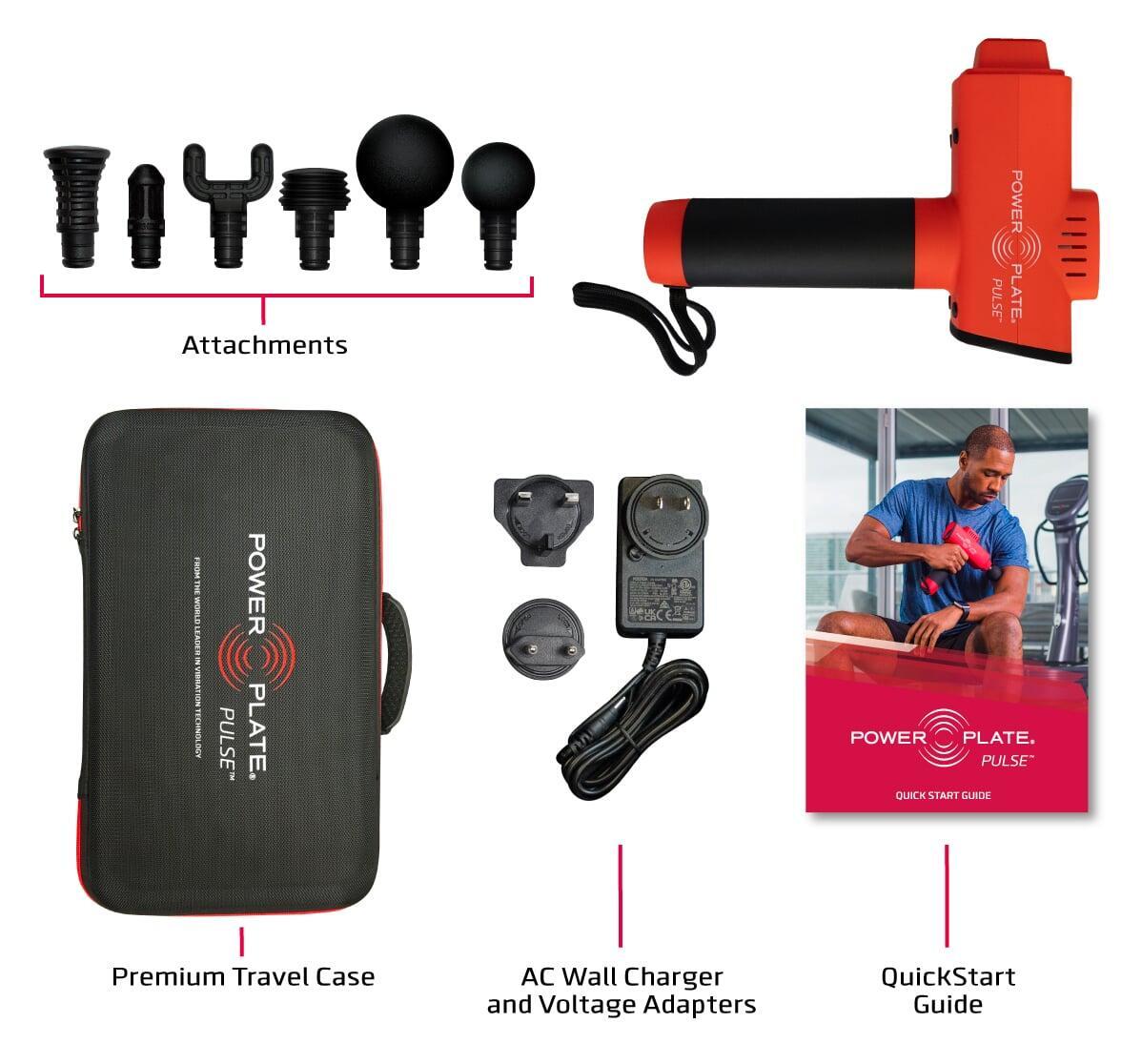
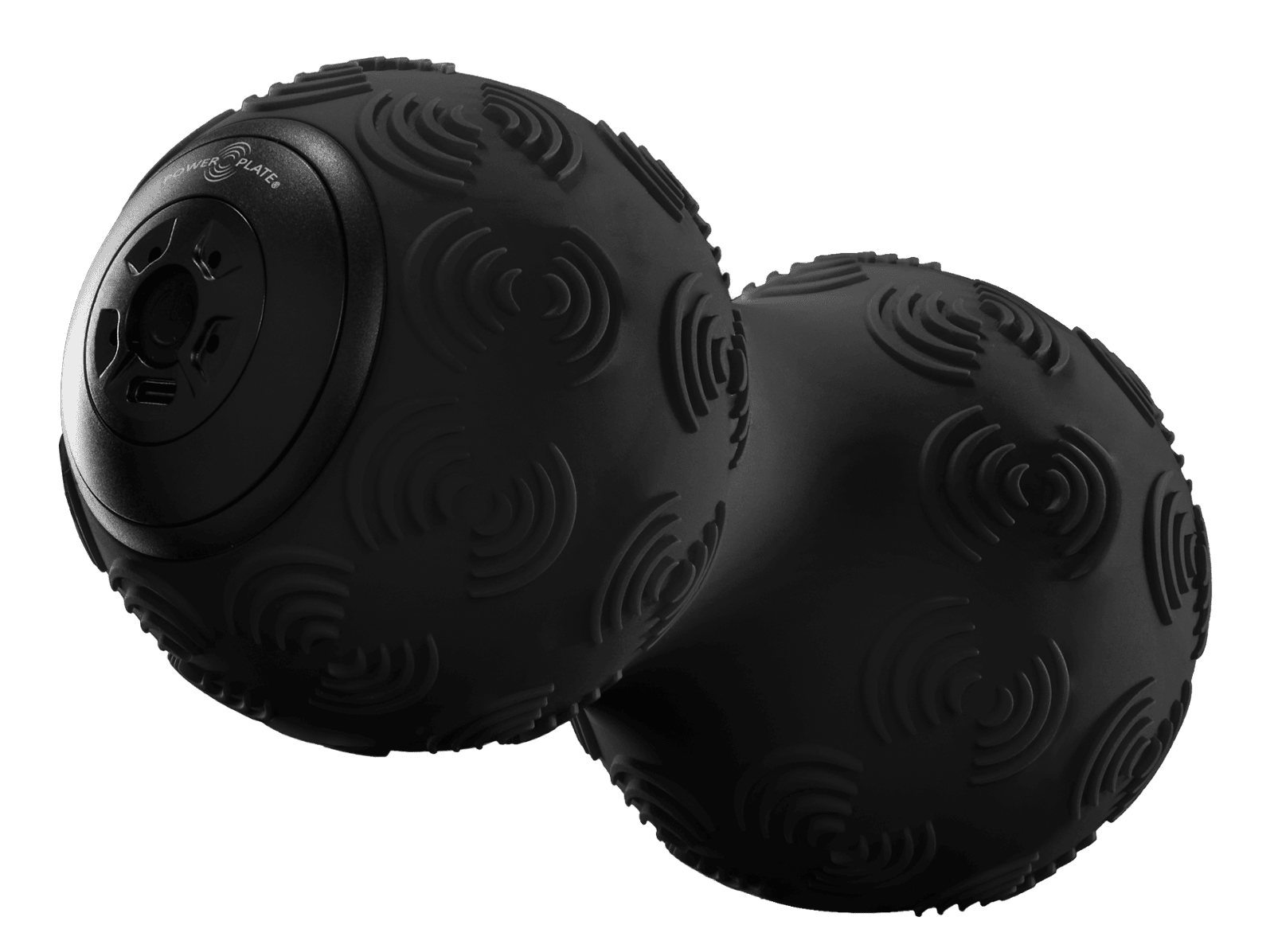
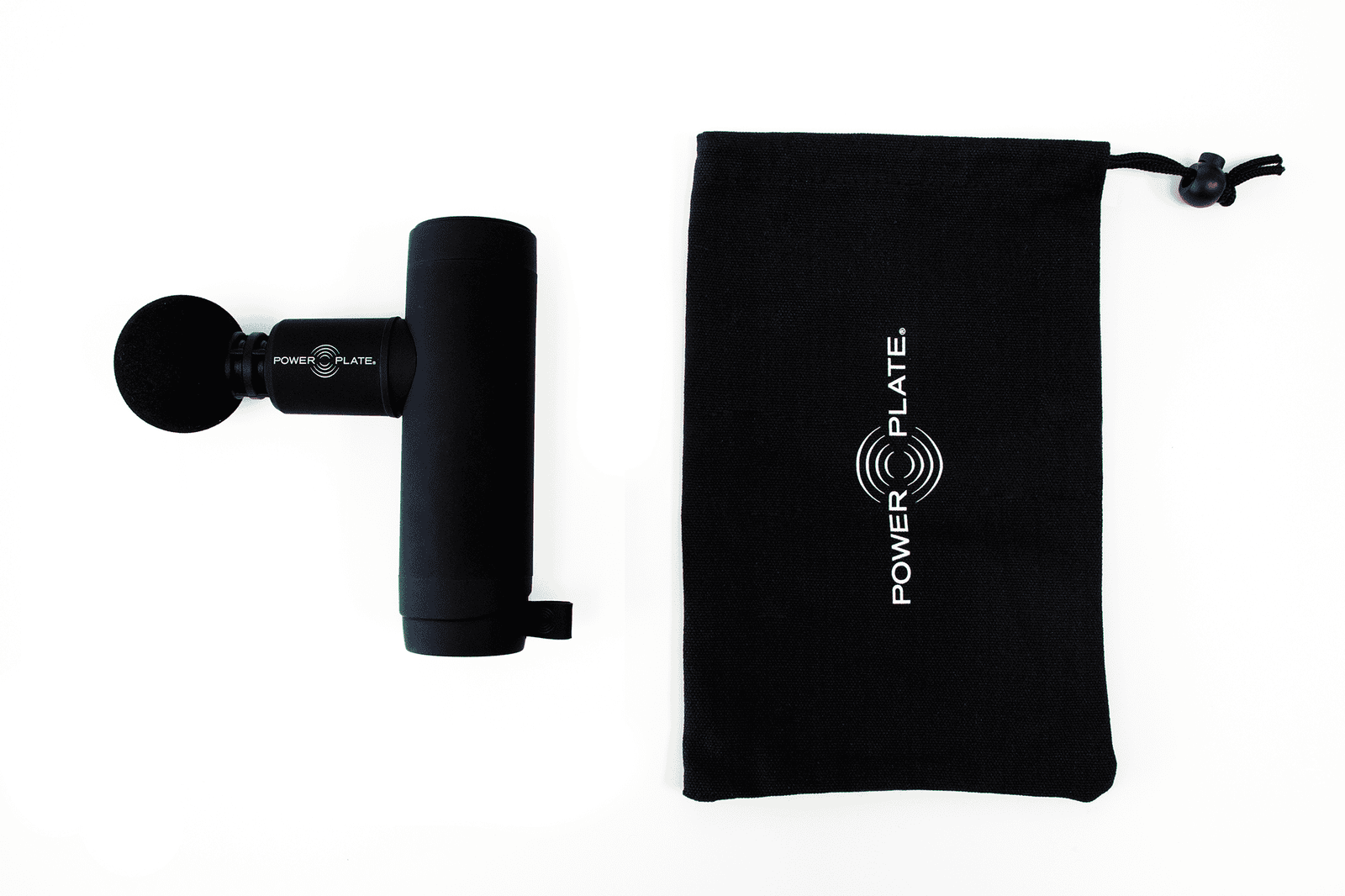
Not sure whether Marodyne LIV, PowerPlate, or targeted vibration fits your practice?
Energia Medical can help compare vibration options based on patient population, tolerance, support needs, clinic workflow, space, and budget.