
Chemotherapy Induced Peripheral Neuropathy: Prevalence and Clinical Impact
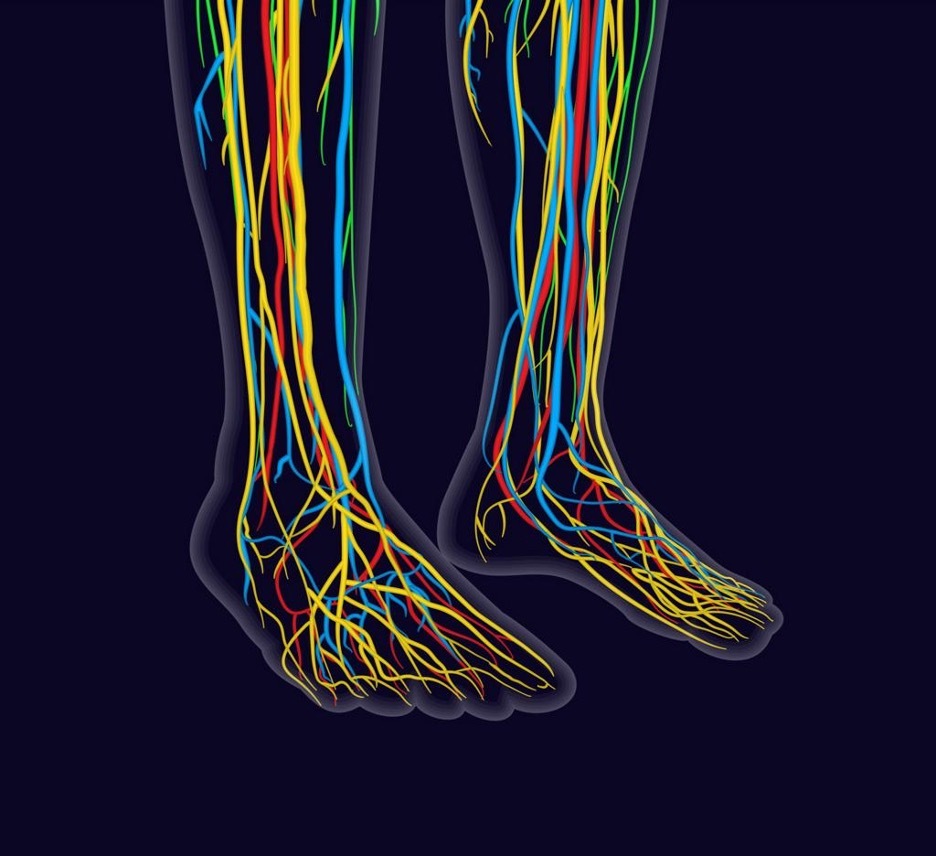
Chemotherapy induced peripheral neuropathy (CIPN) affects up to 70 percent of patients treated with neurotoxic chemotherapy agents and is one of the most common long term complications of cancer treatment (1). CIPN commonly presents with numbness, tingling, burning pain, altered temperature sensation, muscle weakness, gait instability, and impaired fine motor coordination. In many cases, symptoms persist for months or years after chemotherapy has ended, significantly limiting mobility, daily activities, and overall quality of life.
As cancer survival rates continue to improve, CIPN has become an increasingly important survivorship issue, placing a long term burden on patients and healthcare systems.
Chemotherapy Induced Peripheral Neuropathy: Prevalence and Clinical Impact
Chemotherapy induced peripheral neuropathy (CIPN) affects up to 70 percent of patients treated with neurotoxic chemotherapy agents and is one of the most common long term complications of cancer treatment (1). CIPN commonly presents with numbness, tingling, burning pain, altered temperature sensation, muscle weakness, gait instability, and impaired fine motor coordination. In many cases, symptoms persist for months or years after chemotherapy has ended, significantly limiting mobility, daily activities, and overall quality of life.
As cancer survival rates continue to improve, CIPN has become an increasingly important survivorship issue, placing a long term burden on patients and healthcare systems.
Pathophysiology of Chemotherapy Induced Peripheral Neuropathy
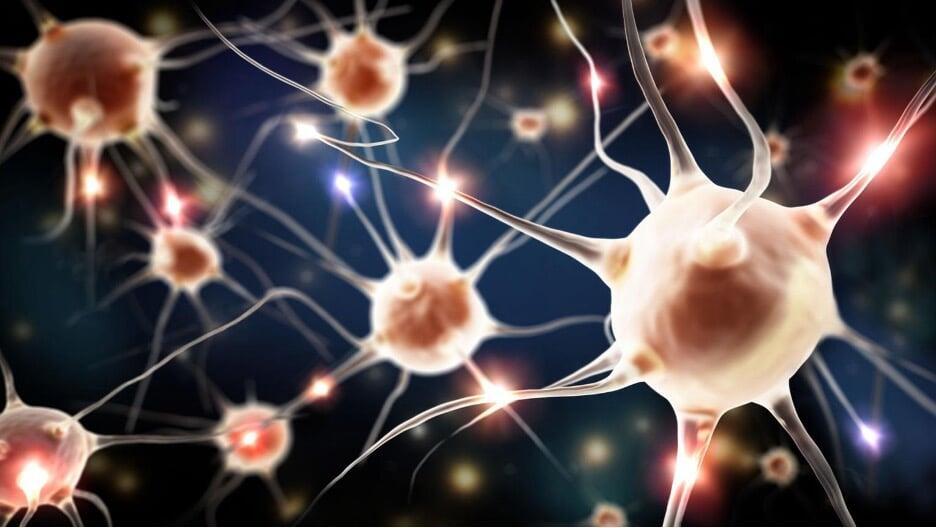
CIPN is difficult to treat because chemotherapy damages peripheral nerves through multiple overlapping biological mechanisms. Preclinical and clinical studies show that chemotherapeutic agents impair mitochondrial function, increase oxidative stress, disrupt axonal transport, compromise microvascular blood flow, and activate chronic inflammatory pathways within peripheral nerves (2,3). This multifactorial injury pattern results in sensory nerve dysfunction that is often resistant to conventional pharmacologic therapy.
Because no single mechanism is responsible for nerve injury, identifying a targeted drug therapy capable of preventing or reversing CIPN has proven challenging.
Challenges in Diagnosing and Measuring CIPN Severity
Accurate diagnosis and monitoring of CIPN remain problematic in clinical practice. Clinicians rely heavily on patient reported symptoms, which vary widely due to differences in pain perception, baseline neurologic status, and functional demands. Standardized assessment tools, including neuropathy grading scales, often fail to fully capture the impact of CIPN on balance, dexterity, sleep quality, and daily function (4). This lack of objective measurement complicates both clinical decision making and evaluation of treatment effectiveness.
Limitations of Pharmacologic Treatments for CIPN
Pharmacologic treatment options for CIPN remain limited. Because CIPN is categorized primarily as a quality of life condition rather than a life threatening disorder, pharmaceutical companies are cautious about developing therapies that could interfere with chemotherapy efficacy or alter tumor biology. These concerns, combined with evolving regulatory guidance, have slowed drug development and increased interest in non drug supportive therapies that do not interact systemically with cancer treatment.
What Is Photobiomodulation Therapy?
Photobiomodulation therapy (PBM), also known as red light and near infrared light therapy, is a non invasive treatment that delivers low level, non thermal light to biological tissues. PBM typically uses red wavelengths between 630 and 670 nanometers and near infrared wavelengths between 780 and 850 nanometers. Unlike thermal laser therapies, PBM does not heat tissue but instead modulates cellular metabolism, particularly within mitochondria.
Cellular Mechanisms of Red and Infrared Light Therapy in Nerve Repair
At the cellular level, PBM stimulates cytochrome c oxidase, a key mitochondrial enzyme involved in oxidative phosphorylation. Activation of this enzyme increases adenosine triphosphate production, enhances cellular energy availability, and supports axonal repair and nerve regeneration. PBM also reduces oxidative stress, regulates inflammatory signaling, and improves microcirculation, all of which are central to peripheral nerve recovery (5).
These mechanisms directly address several of the underlying biological processes involved in CIPN, making PBM a biologically plausible therapeutic option.
Clinical Evidence Supporting Photobiomodulation for CIPN
Clinical evidence supporting PBM for CIPN continues to grow. A randomized, sham controlled clinical trial involving 70 patients with CIPN demonstrated significant reductions in neuropathic symptoms following PBM compared with placebo. Improvements in total neuropathy scores were observed within weeks and were sustained throughout the treatment period (6).
A separate randomized phase II clinical trial evaluated cancer survivors with established CIPN who received twelve PBM sessions over six weeks. Nearly half of participants achieved clinically meaningful improvements in pain, numbness, and functional limitation, with symptom relief persisting several weeks after treatment completion (7).
Additional evidence from a controlled clinical study focused on chemotherapy induced neuropathic pain found statistically significant reductions in pain intensity and improvements in sensory function following PBM. Investigators concluded that PBM may serve as an effective supportive therapy when conventional pain management strategies fail (8).
Systematic Reviews and Emerging Clinical Data
A systematic review analyzing multiple studies of PBM for peripheral neuropathy reported consistent improvements in nerve related symptoms with minimal adverse effects. The authors emphasized PBM’s ability to decrease inflammation and enhance neural metabolism as key contributors to clinical benefit (9).
More recent clinical data from a 2025 investigation suggest PBM may improve gait speed and sensory perception in patients with CIPN, although changes in strength and balance were less pronounced. These findings support the concept that PBM primarily targets sensory nerve dysfunction rather than motor impairment (10).
Safety, Treatment Parameters, and Clinical Considerations
Despite encouraging outcomes, PBM protocols for CIPN are not yet standardized. Treatment parameters such as wavelength, energy density, treatment frequency, and duration vary across studies. Larger randomized trials with longer follow up are needed to establish optimal protocols and identify patients most likely to benefit.
Importantly, PBM has demonstrated a favorable safety profile across clinical studies and is consistently reported as non invasive and well tolerated.
The Role of Red and Infrared Light Therapy in Future CIPN Management
Photobiomodulation therapy does not replace chemotherapy and does not cure CIPN. However, accumulating evidence suggests it may significantly reduce symptom burden and improve daily function in patients with persistent neuropathy following cancer treatment. As cancer survivorship continues to rise, effective non drug interventions will play an essential role in comprehensive oncology care.
Red light and infrared therapy represent a promising supportive care strategy with a strong biological rationale and growing clinical evidence base.

References
- Seretny M, Currie GL, Sena ES, et al. Incidence, prevalence, and predictors of chemotherapy induced peripheral neuropathy: a systematic review and meta-analysis. Pain. 2014;155(12):2461–2470.
- Starobova H, Vetter I. Pathophysiology of chemotherapy induced peripheral neuropathy. Front Mol Neurosci. 2017;10:174.
- Staff NP, Grisold A, Grisold W, Windebank AJ. Chemotherapy induced peripheral neuropathy: a current review. Ann Neurol. 2017;81(6):772–781.
- Cavaletti G, Marmiroli P. Chemotherapy induced peripheral neurotoxicity. Curr Opin Neurol. 2015;28(5):500–507.
- Zecha JA, Raber-Durlacher JE, Nair RG, et al. Low level laser therapy as supportive care in cancer treatment. Support Care Cancer. 2020;28(5):2023–2032.
- Arash A, et al. The effect of photobiomodulation on chemotherapy induced peripheral neuropathy: a randomized sham controlled trial. Lasers Surg Med. 2016;48(9):838–844.
- Prior J, et al. Evaluating photobiomodulation for chemotherapy induced peripheral neuropathy: a randomized phase II clinical trial. Support Care Cancer. 2022;30(6):5113–5120.
- Al Rashoud AS, et al. Low level laser therapy in the treatment of chemotherapy induced neuropathic pain. J Innov Opt Health Sci. 2019;12(2):1950014.
- Wang Y, et al. Photobiomodulation therapy in peripheral neuropathy: a systematic review. Lasers Med Sci. 2020;35(4):789–799.
- McDonnell M, et al. Influence of photobiomodulation on sensory symptoms, gait speed, and pain in chemotherapy induced peripheral neuropathy. Lasers Med Sci. 2025.
Learn more about our light therapy pads to treat the symptoms of CIPN. Email us or Call 860-707-4220