
Microcirculation is where healing becomes practical. Oxygen delivery, nutrient exchange, immune cell trafficking, waste removal, and endothelial signaling all depend on adequate blood flow through small vessels. When microvascular function is impaired, recovery is slower, tissue tolerance declines, and rehabilitation becomes more difficult.
For healthcare providers, this matters because many patients who need recovery support are also mechanically under-stimulated. Older adults, post-hospital patients, sedentary patients, and those with limited mobility may not generate enough calf pump activity, muscle contraction, or weight-bearing movement to support optimal peripheral circulation. Low-intensity vibration may offer a useful adjunct by delivering a tolerable mechanical stimulus when exercise volume is limited.
Why Microcirculation Matters in Rehabilitation
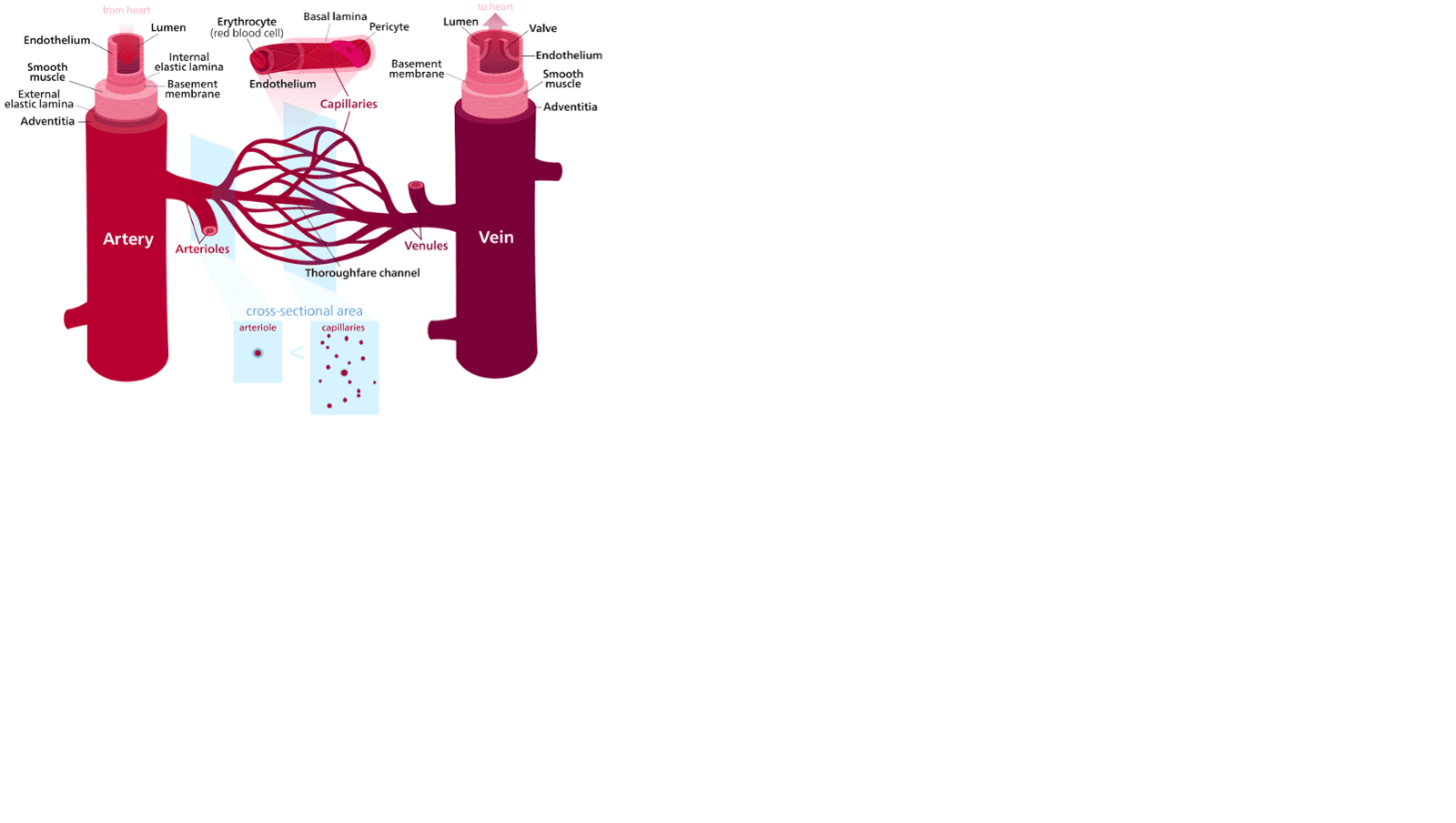
The microcirculation includes arterioles, capillaries, and venules that regulate local tissue perfusion. In musculoskeletal care, this system supports oxygenation, metabolic exchange, thermoregulation, and inflammatory resolution. Impaired peripheral circulation is common in older adults and in patients with diabetes, vascular disease, neuropathy, edema, deconditioning, and immobility.
Traditional rehabilitation improves circulation primarily through movement. Muscle contraction helps venous return. Repeated loading supports endothelial function. Walking increases lower-extremity perfusion demand. The challenge is that many patients cannot perform enough activity at the start of care to create a meaningful physiologic stimulus.
This is where low-intensity vibration becomes clinically interesting. The modality does not replace walking or exercise, but it may help create mechanical and vascular stimulation in patients who are not yet active enough to generate it independently.
What the Research Suggests About Vibration and Blood Flow
Research on whole-body vibration and circulation shows that vibration can acutely increase peripheral blood flow and muscle oxygenation. A systematic review by Games and colleagues found that whole-body vibration was associated with increased peripheral blood flow and muscle oxygenation in healthy adults [1]. Another systematic review concluded that controlled whole-body vibration may influence peripheral circulation, though findings vary by protocol, frequency, amplitude, population, and measurement method [2].
Microvascular findings are particularly relevant. Betik and colleagues reported that a single three-minute session of whole-body vibration significantly enhanced muscle microvascular blood flow in healthy individuals [3]. Johnson and colleagues found that whole-body vibration increased skin blood flow and nitric oxide-related responses, suggesting a vascular signaling component beyond simple mechanical movement [4].
These studies do not prove that low-intensity vibration heals wounds or reverses vascular disease. They do support a narrower and more defensible claim: vibration can influence peripheral and microvascular blood flow under certain conditions.
How Low-Intensity Vibration May Support Recovery
Low-intensity vibration delivers rapid, low-magnitude mechanical oscillations through the body. These signals may influence circulation through several mechanisms:
- Reflexive muscle activation
- Improved calf pump engagement
- Endothelial stimulation
- Increased local tissue perfusion
- Enhanced muscle oxygenation
- Nitric oxide-related vascular responses
- In clinical terms, the potential benefit is improved readiness for rehabilitation. Better local perfusion may help patients tolerate movement, reduce stiffness, and transition more comfortably into active care. This is especially relevant for patients with low activity levels, age-related vascular decline, or early mobility limitations.
Patient Populations That May Benefit
Low-intensity vibration may be worth considering for:
- Older adults with low daily movement
- Patients with early mobility decline
- Individuals with sedentary lifestyles
- Patients recovering from hospitalization or inactivity
- Patients with edema related to immobility, when medically appropriate
- Rehabilitation patients who need a gentle warm-up before exercise
- Patients who cannot initially tolerate prolonged walking or standing
- Healthcare providers should be careful with vascular-compromised patients. Peripheral artery disease, active thrombosis, unstable cardiovascular disease, acute inflammation, recent surgery, or unexplained swelling require medical evaluation and appropriate clearance before vibration is used.
Where It Fits in Clinical Workflow
Low-intensity vibration can be used before therapeutic exercise, gait training, balance work, or mobility drills. The goal is to prepare the system, not replace the work. In many practices, vibration may function as a short-duration primer that helps patients feel more mobile before active treatment.
A practical clinical sequence may include:
- Baseline symptom and safety screen
- Brief supported vibration exposure
- Gait or balance training
- Therapeutic exercise
- Reassessment of tolerance, stiffness, or mobility
- Useful outcomes to document include walking tolerance, perceived stiffness, lower-extremity comfort, balance confidence, swelling observation, skin response, gait speed, Timed Up and Go, and adherence.
Important Clinical LImits
The better message is that low-intensity vibration may support peripheral circulation and muscle oxygenation as part of a broader rehabilitation or wellness program. It should be paired with progressive movement, strength training, nutrition, hydration, vascular risk management, and medical care when indicated.
Takeaway for Healthcare Providers
Microcirculation is essential to recovery, but many patients cannot initially move enough to stimulate it effectively. Low-intensity vibration may provide a low-load mechanical input that supports peripheral blood flow, muscle oxygenation, and rehabilitation readiness.
For clinicians, the opportunity is practical. Use vibration as an adjunctive bridge between inactivity and movement. Screen carefully, document functional outcomes, and keep the claims grounded in the evidence.
To learn more about whole body vibration email us or call Rob at 860-707-4220.
References
- Games KE, Sefton JM, Wilson AE. Whole-body vibration and blood flow and muscle oxygenation: a meta-analysis. J Athl Train. 2015;50(5):542-549.
- Mahbub MH, Laskar MS, Seikh FA, et al. A systematic review of studies investigating the effects of controlled whole-body vibration intervention on peripheral circulation. Clin Physiol Funct Imaging. 2019;39(6):363-377.
- Betik AC, Parker L, Trehearn TL, et al. Whole-body vibration stimulates microvascular blood flow in skeletal muscle. Med Sci Sports Exerc. 2021;53(2):375-383.
- Johnson PK, Feland JB, Johnson AW, Mack GW, Mitchell UH. Effect of whole body vibration on skin blood flow and nitric oxide production. J Diabetes Sci Technol. 2014;8(4):889-894.
- Aoyama A, Yamaoka-Tojo M, Obara S, et al. Acute effects of whole-body vibration training on endothelial function in elderly patients. Clin Interv Aging. 2019;14:1219-1226.